10 May 2026 · 3 min read
Pick, Wash, Dry & Store
The Kitchen Ritual That Changed How I Handle Herbs.
One of the very first things I used to do during my morning shifts in the kitchen was processing herbs. It may sound like a small task, but over time I realised this simple routine teaches discipline, organisation, and respect for ingredients.
Whether it is coriander, mint, chives, scallions, parsley, or dill, fresh herbs are one of the most delicate ingredients in any kitchen. They arrive bruised, muddy, and sometimes already damaged from transportation. By the time they travel from farms to wholesale markets and eventually to our kitchens, they have gone through a lot.
Most people buy herbs and directly throw them into the refrigerator, only to find them wilted, slimy, or yellow within a few days. Professional kitchens follow a different process a simple technique called Pick, Wash, Dry & Store.
This method not only keeps herbs cleaner but can also significantly improve shelf life.
Step 1: Pick
The first step is always to pick through the herbs carefully.
Spread the herbs out and remove:
- Yellow leaves
- Bruised stems
- Wilted parts
- Rotten or damaged pieces
The bruising usually happens during transportation. Herbs are stacked in large quantities and loaded onto trucks, which causes pressure damage.
By removing damaged parts first, you stop spoilage from spreading and improve overall freshness.
Think of this as quality control something every good kitchen takes seriously.
Step 2: Wash
Once picked, wash the herbs in ice-cold water.
Cold water does two important things:
- It removes dirt, mud, and hidden debris.
- It shocks the herbs slightly, helping them stay fresh and crisp.
I always recommend washing herbs gently rather than aggressively rubbing them, especially delicate ones like mint or coriander.
Step 3: Dry
If there is one mistake most people make, it is storing herbs while they are still wet.
Excess moisture is the fastest way to shorten shelf life.
This is where a salad spinner becomes one of the best small investments for your kitchen.
After washing:
- Spin the herbs gently in a salad spinner
- Lay them out for a few minutes to air dry
- Let any excess moisture evaporate completely
The goal is simple: clean, fresh herbs without trapped water.
Step 4: Store
Once dry, store herbs properly.
You can:
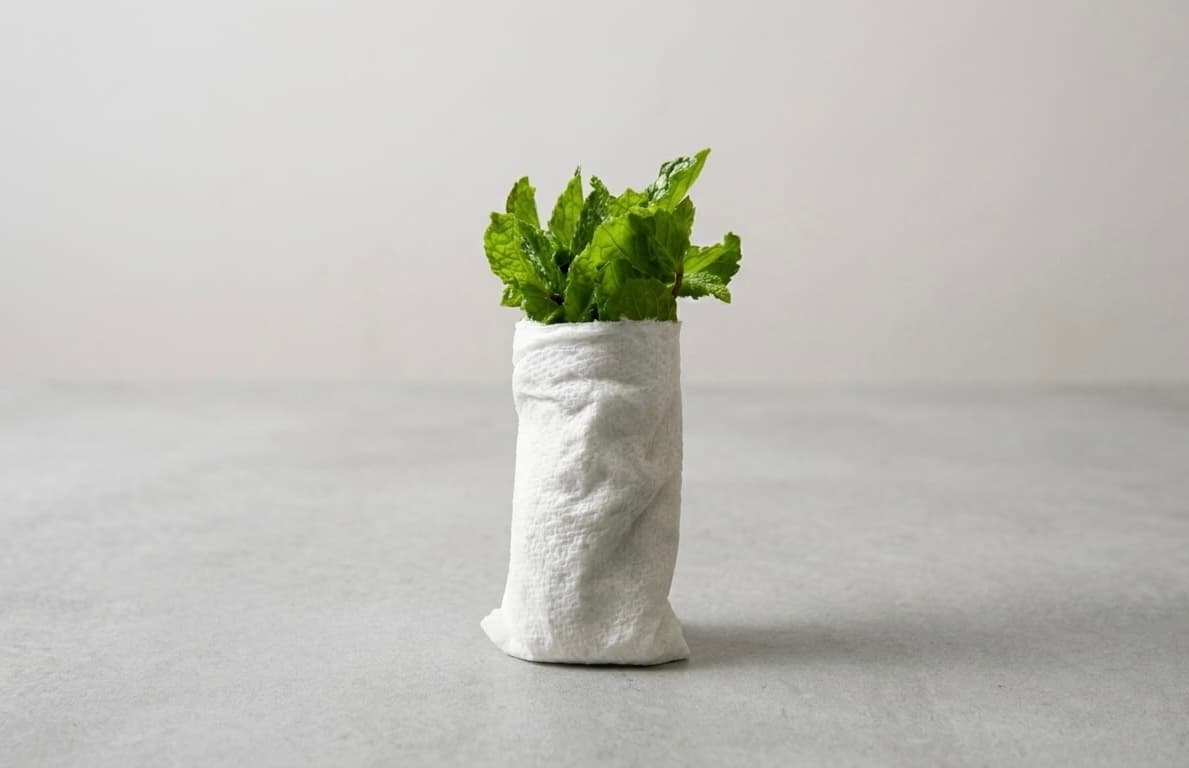
- Roll them lightly in a paper towel and refrigerate them or
- Keep them in airtight containers with minimal moisture
This simple habit can dramatically increase freshness and reduce wastage.
In professional kitchens, small habits like these save money, improve consistency, and make prep work smoother throughout service.
Final Thoughts:
Cooking is not only about making beautiful dishes it starts much earlier than that.
Sometimes, excellence begins with something as simple as washing herbs properly.
The Pick, Wash, Dry & Store method may look basic, but it is one of those quiet kitchen habits that separates organised cooking from careless cooking.
For me, it was one of the first lessons I learnt during morning prep shifts respect the ingredient before it reaches the plate.